A low-threshold lab for high-impact radio experiments
ClearSkyRF advances insights in applied radio engineering, supporting various disciplines, such as geology, materials science, and atmospheric studies. Our secret sauce? A rare low-noise environment paired with modern digital signal processing, novel weak-signal algorithms, and long-term pattern analysis.
We provide a low-threshold experimental environment that unleashes new forms of creativity and scientific insight.
Many radio experiments are difficult to run, not because of the equipment, but because of noise, interference, bureaucracy, or the sheer logistical cost of maintaining long-term observation systems.
We remove those barriers.
By offering a clean RF environment, remotely accessible SDRs, flexible filtering, and a site optimized for long-wave and ground-wave propagation, we give researchers the freedom to test, refine, and validate ideas in weeks, not years.
An agile approach to rapid iteration
We’re building the world’s most accessible long-wave research facility — where new correlations, patterns, and experiments are discovered by people who otherwise wouldn’t have the chance to run them.
Our platform enables researchers to quickly validate hypotheses or run exploratory studies without the overhead of academic or federal facilities. We help you build the minimum viable experiment, learn from it, and iterate to generate groundbreaking insights.
The ClearSkyRF Advantage
Here’s what makes our site unique:
- RF-quiet terrain: Shielded on all sides, with minimal external interference.
- Elevation: 3,500 ft for stable long-wave reception.
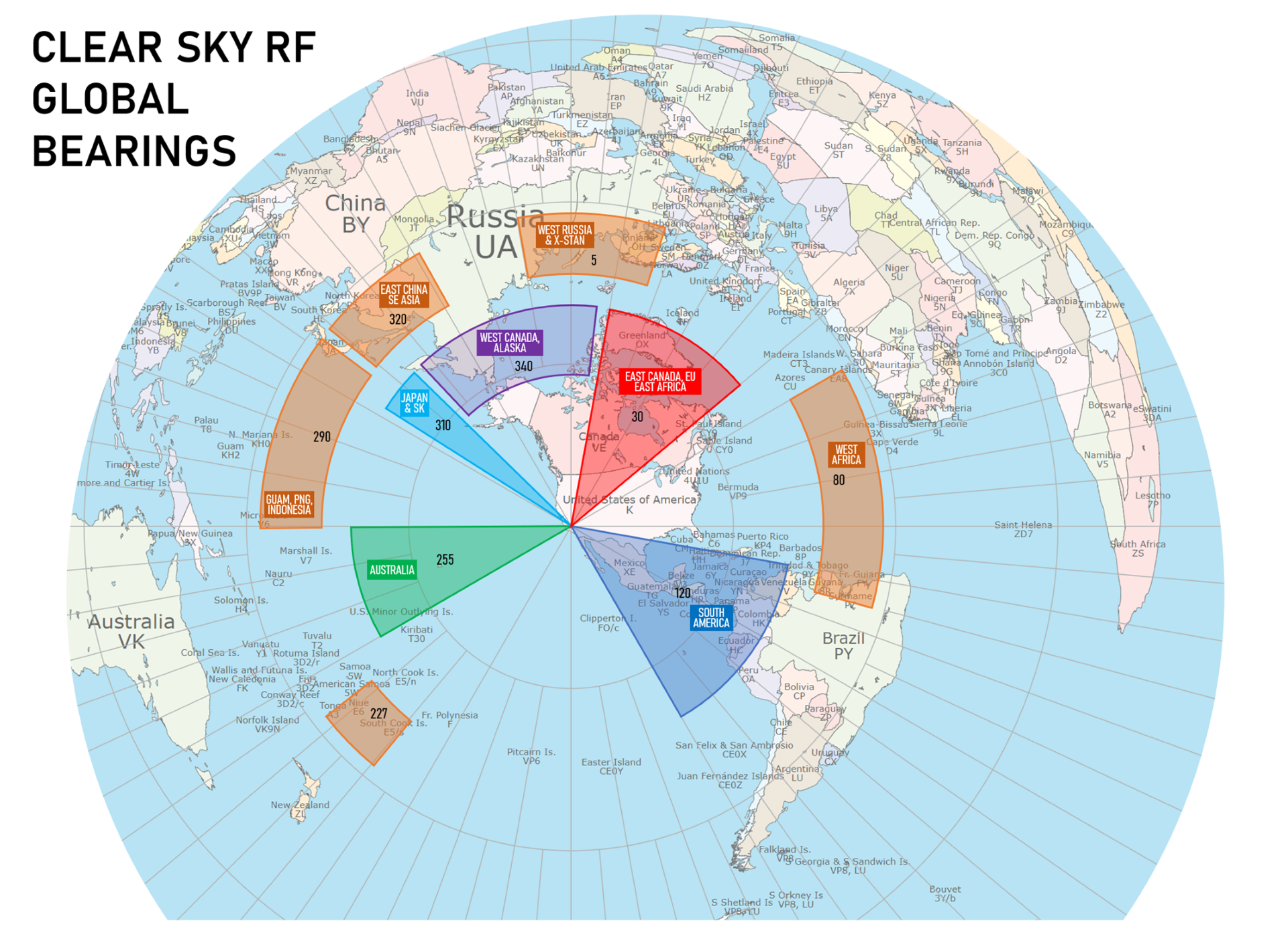
- Unique propagation geometry: ~10° takeoff angle in all directions for ionospheric propagation modes.
- Flexible instrumentation: SDR-based, remotely accessible, easily reconfigured.
- Custom filtering: Add steep notch filters, bias networks, or algorithmic DSP on demand.
- Long-range, long-term insight: Ideal for day-to-day, seasonal, and multi-year pattern tracking.
Meet our head nerd
something something something


 ClearSkyRF